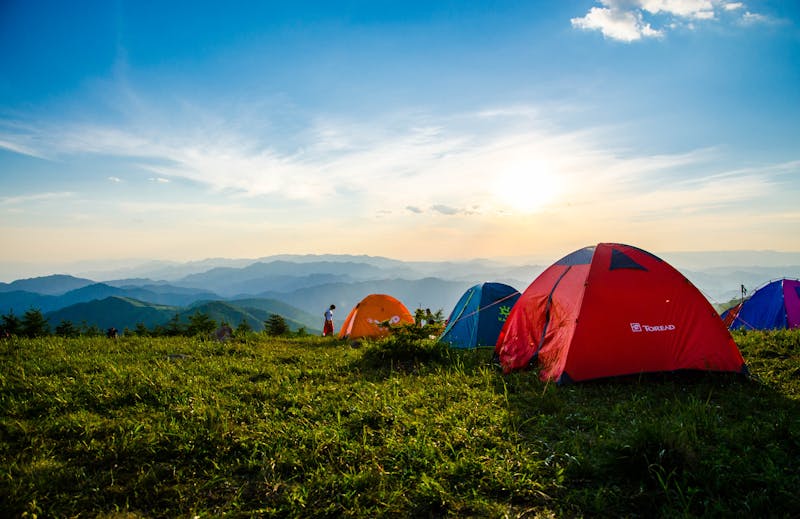
Field-tested sleeping bag reviews for backpackers, car campers, and cold weather campers. We've tested premium and budget options across multiple nights in the wilderness. Here are our top recommendations based on real-world usage.
We evaluated sleeping bags for cold retention, comfort, durability, and packability. Whether you're sleeping in 15°F snow or 60°F spring nights, we tested what performs so you get the right gear for the job.
Top Sleeping Bags by Use Case



Sleeping Bag Buying Guide
Down vs. Synthetic
Down
Best in dry conditions. Exceptional warmth-to-weight ratio. Down is compromised when it gets damp.
Synthetic
Ideal in damp environments. Less packable but consistently warm, even when wet. Best for budget-conscious campers.
Temperature Ratings

3-Season Use
50°F to 20°F works great for spring to fall camping across most regions.
Recommended for: Most casual and regular campers
Read Checklist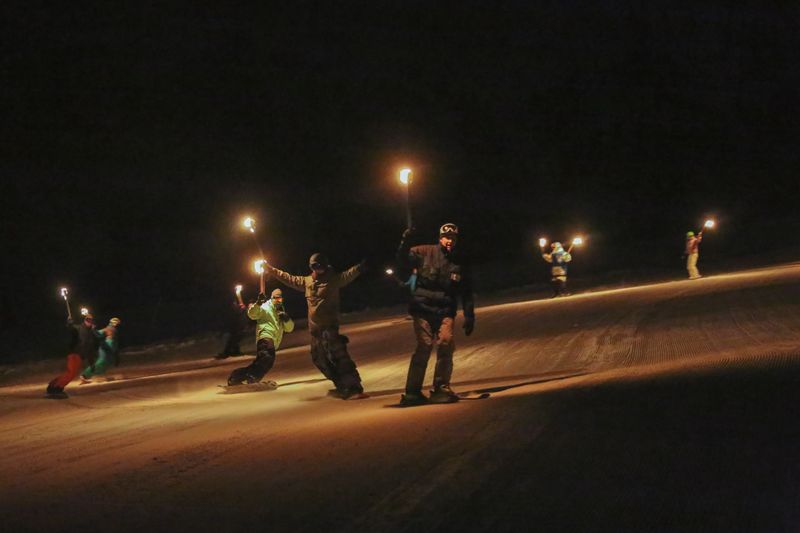
15°F & Colder
Designed for winter camping where temperature drops below freezing. Great for mountaineering and snow camping.
Recommended for: Cold weather enthusiasts, winter backpackers
Read Cold Weather Guide
Backpacking
Focus on weight and packable size while maintaining warmth. Ultralight sleeping bags tested across trails and conditions.
Recommended for: Multi-day hikers and lightweight camping
See Backpacking GearSize and Fit
When choosing your sleeping bag, two key factors determine your comfort: size and fit. Too tight feels constraining. Too loose creates cold gaps that make you shiver. Here's our field-proven guidance:
Height Matters
A sleeping bag that accommodates your height without restriction is essential. We recommend 6-8 inches extra length for most campers to avoid pressure at the foot box.
Shoulder Fit
Shoulder area should allow freedom of movement without creating gaps that lose heat. Too tight restricts movement. Too loose loses warmth.
Weight-Appropriate Size
For backpacking, you need more compact bags to reduce weight and volume. Car campers can afford a slightly larger bag for added comfort.
Rainy Night Tip
For damp conditions, bring a sleeping bag in a waterproof sack. Keep it dry with the bag inside another dry sack even in snow.
Top Considerations for Your Sleeping Bag
- Tested weight and packability — how much does it weigh on your back?
- Temperature performance — can you rely on it when the mercury drops?
- Real-world use — no lab testing, only field testing across multiple nights
- Material durability — can it take extended trail use without tearing?
- Ratings based on personal sleep habits — side sleepers need more room
Go to Cold Weather Guide or check your checklist before your next trip.